
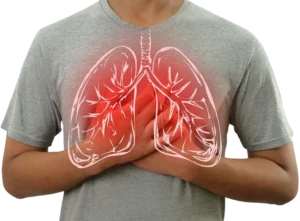
Flu vs Pneumonia: How to Tell When a Flu Infection May Be Turning Into Pneumonia

A few days ago, a patient in his early thirties came to my clinic in Nagpur with a familiar concern.

“Doctor, the fever I had earlier this week is almost gone. But the cough is still there. Someone told me the flu can turn into pneumonia. How do I know if that’s happening?”

This question usually comes around day three or four of illness.

The fever may have settled. Body aches are better. But the cough lingers, and the person feels uncertain about whether recovery is actually happening.

This is where confusion about flu vs pneumonia begins.

In real life, respiratory infections do not behave in clean textbook categories. What starts as the flu sometimes improves steadily. In other cases, symptoms shift, and the infection begins to affect the lungs more deeply.

So the real question is not simply flu or pneumonia.

The more useful question is this:

Are the symptoms following a normal recovery pattern, or are they starting to change in a way that needs medical attention?

Understanding that difference helps patients avoid two common mistakes. Waiting too long to seek help, or worrying unnecessarily about pneumonia when the body is still recovering from the flu.

Flu vs Pneumonia: Why the Difference Is Not Always Clear

Flu vs Pneumonia How to Spot the Dangerous Shift Early

Many people assume pneumonia vs flu is easy to distinguish.

The flu is expected to cause fever and body aches. Pneumonia is expected to cause serious breathing trouble.

But in practice, the transition can be gradual.

A viral illness like influenza weakens the respiratory tract for several days. During recovery, bacteria sometimes take advantage of this temporary weakness and infect the lungs. When that happens, pneumonia develops after the flu rather than as a completely separate illness.

That is why many patients say something like:

“My flu was getting better… then suddenly I started feeling worse again.”

Doctors pay close attention to how symptoms evolve, not just which symptoms are present.

How Flu Symptoms Usually Progress

Most flu infections follow a fairly predictable course.

During the first few days, patients usually experience:

  • Fever
  • Body aches
  • Headache
  • Dry cough
  • Fatigue
  • Sore throat

The fever typically peaks within the first two or three days. After that, recovery slowly begins.

However, improvement is not immediate.

Patients often notice:

  • A cough lasting two to three weeks
  • Mild chest tightness while coughing
  • Fatigue even after the fever settles
  • Yellow or green mucus during recovery

Many people worry when these symptoms persist. But a lingering cough alone does not mean pneumonia.

In my clinic at Nagpur, when someone asks about flu vs pneumonia, I explain that the important question is whether the illness is gradually improving or starting to change direction.

When We Begin to Suspect Pneumonia

Another patient I saw recently came in because his wife noticed something unusual.

“She says I’m breathing faster than usual,” he told me. “I didn’t even realise it.”

Family members often notice changes before the patient does.

When doctors evaluate whether the flu is turning into pneumonia, we look for shifts in the illness pattern.

Pneumonia Warning Signs Key Red Flags That Need Immediate Attention

Some of the changes that raise concern include:

Fever returning after initially improving

Patients sometimes feel better for a day or two, then the fever returns.

Breathing becoming heavier or faster

This may happen even while resting.

Severe fatigue

The person feels much weaker than expected during recovery from the flu.

Cough suddenly worsening

Instead of gradually settling, the cough becomes deeper or more persistent.

Chest discomfort while breathing

This may feel like heaviness or tightness rather than sharp pain.

When these patterns appear, doctors begin evaluating whether pneumonia could be developing after the flu.

Symptoms That May Look Serious But Often Aren’t

At the same time, some symptoms that worry patients are actually quite common during flu recovery.

For example:

Persistent cough

The airway lining remains irritated after viral infections. It is normal for a cough to last a few weeks.

Yellow or green mucus

Mucus colour alone does not diagnose pneumonia.

Chest soreness

Repeated coughing can strain chest muscles.

Mild breathlessness while walking

Fatigue and airway irritation can cause temporary shortness of breath.

These symptoms can feel alarming, but they often occur without pneumonia.

As doctors, we focus more on the overall progression of illness, not just on a single symptom like a cough or mucus.

Subtle Warning Signs of Pneumonia Many People Miss

One reason pneumonia sometimes surprises patients is that early symptoms can be subtle.

A patient may not feel dramatically worse, but small changes begin to appear.

Silent Pneumonia Hidden Symptoms You Should Not Miss

These can include:

  • Breathing faster than usual
  • Feeling unusually drowsy
  • Loss of appetite
  • Severe weakness
  • Fever lasting longer than expected
  • Cough suddenly worsening after initial improvement

These changes suggest the infection may be affecting the lungs more deeply.

When this pattern appears, it is wise to seek medical advice rather than assuming the flu is simply taking longer to resolve.

Why Some Pneumonia Cases Are “Silent”

Not every case of pneumonia causes obvious breathing problems.

Sometimes the symptoms are surprisingly mild at first. Doctors often refer to these as silent symptoms of pneumonia.

Instead of severe cough or chest pain, patients may show:

  • Unusual weakness
  • Sleeping excessively
  • Eating very little
  • Confusion or reduced alertness

This pattern is seen more often in:

  • Older adults
  • People with diabetes
  • Patients with chronic lung disease

In many situations, family members notice the change before the patient does.

This is why caregivers often play an important role in recognising early symptoms of pneumonia in adults.

When You Should See a Lung Specialist

Most flu infections improve gradually with rest, hydration, and time.

However, certain symptoms should prompt medical evaluation.

It is important to consult a doctor if:

  • Fever returns after improving
  • Breathing becomes difficult even while resting
  • Severe weakness prevents routine activities
  • Confusion or unusual drowsiness develops
  • Cough suddenly becomes worse instead of better

These signs suggest the infection may be moving deeper into the lungs and needs proper assessment.

Early evaluation helps determine whether the illness is still the flu or developing pneumonia.

How to Reduce the Risk of Pneumonia During Flu Recovery

While not every flu infection leads to pneumonia, certain precautions can help protect the lungs during recovery.

These include:

Allowing the body enough rest

The immune system needs time to recover from viral infections fully.

Staying well hydrated

Fluids help keep airway secretions thin and easier to clear.

Avoiding smoking

Smoking irritates the respiratory tract and weakens lung defences.

Monitoring symptom changes

Recovery should move gradually in the right direction. Sudden worsening deserves attention.

In cities like Nagpur, where seasonal respiratory infections are common during winter months, it is especially important not to ignore symptoms that change after the initial flu phase.

FAQ

Flu can turn into pneumonia within four to seven days after symptoms begin, particularly if the viral infection weakens the lungs and allows bacteria to infect the air sacs.

Early warning signs of pneumonia may include persistent fever, worsening cough, faster breathing, chest discomfort, and unusual fatigue.

Silent pneumonia symptoms may include extreme weakness, confusion, excessive sleepiness, and loss of appetite, especially in older adults.

To reduce the risk of pneumonia during flu recovery, it is important to rest adequately, stay hydrated, avoid smoking, and seek medical evaluation if symptoms worsen rather than improve.

Yes, in some cases, a viral respiratory infection that begins with a mild cough can progress deeper into the lungs, leading to pneumonia. However, most coughs after flu resolve without pneumonia.

No. A wet cough does not automatically indicate pneumonia. Many viral respiratory infections and cases of bronchitis cause a mucus-producing cough without lung infection.

Latest Blogs